My Role
Systems / Platform
Control plane for AI work: tune local models, expose them as our own provider inference, and route across hosted providers using cost, latency, quality, and health metrics.
Last updated: Jul 2026
Systems / Platform
AI Orchestrator SDK, Custom provider adapters, Local inference, Queues, Observability, Human-in-the-loop
Unified generate() across local + cloud · strategies: cost / latency / quality · health-checked custom endpoints
In scope: local model serving as custom provider, multi-provider adapters, routing strategies, metrics & fallbacks, durable workflow spine. Research notes cover enrichment tuning that feeds the local endpoint.
In Development — local custom provider + hosted adapters under one orchestrator. AI Orchestrator SDK is the published product output.
Stack
We tune local models for enrichment and product jobs, expose them as our own provider inference, and let the orchestrator route across that endpoint and third-party APIs using cost, latency, and quality metrics.
Lab product output
The open Node.js SDK this lab ships — unified generate / stream / embed across local custom providers and hosted adapters, with strategy routing and automatic fallbacks.
Tuned for enrichment, classification, extraction, and private workloads. Connected via baseUrl + health checks — same generate() surface as cloud models.
First-class adapters for public APIs. Key rotation, streaming, embeddings, and automatic fallback when a provider fails or rate-limits.
Unified generate / stream / embed. Strategies pick the next model; metrics decide when to stay local vs go hosted.
Durable jobs, queues, and human checkpoints sit above the SDK — products call one API whether the answer came from a local tuned model or a cloud provider.
How local tuning, custom inference, hosted providers, and metrics fit together as one control plane.
Spine
Orchestration Lab is the spine for Recash AI products — not a feature buried inside PromptQT or Virabase. It decides which model answers a job: a local model we tuned ourselves, or a hosted provider, based on measurable signals.
Product output
The open Node.js package this lab ships — unified generate / stream / embed, key rotation, streaming, and automatic fallback across local custom providers and hosted adapters.
generate()generateStream()embedContent()Our inference
We fine-tune and evaluate local models for enrichment and product-side tasks — classification, extraction, summarization, private workloads. They register as a custom provider in the orchestrator pool: baseUrl, optional health-check, auth headers, and request/response templates — the same surface as cloud adapters.
Product code calls one API. Whether the answer came from a machine we run or from OpenAI / Google / Anthropic is a routing decision, not a rewrite.
baseUrlHosted adapters
First-class adapters cover major hosted APIs. Strategies pick the next model; metrics decide when to stay local vs go hosted — with fallbacks when a provider fails or rate-limits.
Decision layer
Strategies can be composed — for example cost then quality — so ties break cleanly. Observability on the spine (queues, retries, human checkpoints) sits above this layer so PromptQT Studio and Virabase agentic briefs stay auditable.
Example strategy
['cost', 'quality']
Open foundation
Related research on enrichment tuning is linked below as artifacts under this project. The SDK is what those patterns become in the open.
Linked research under this project — evidence trails, not the product itself.
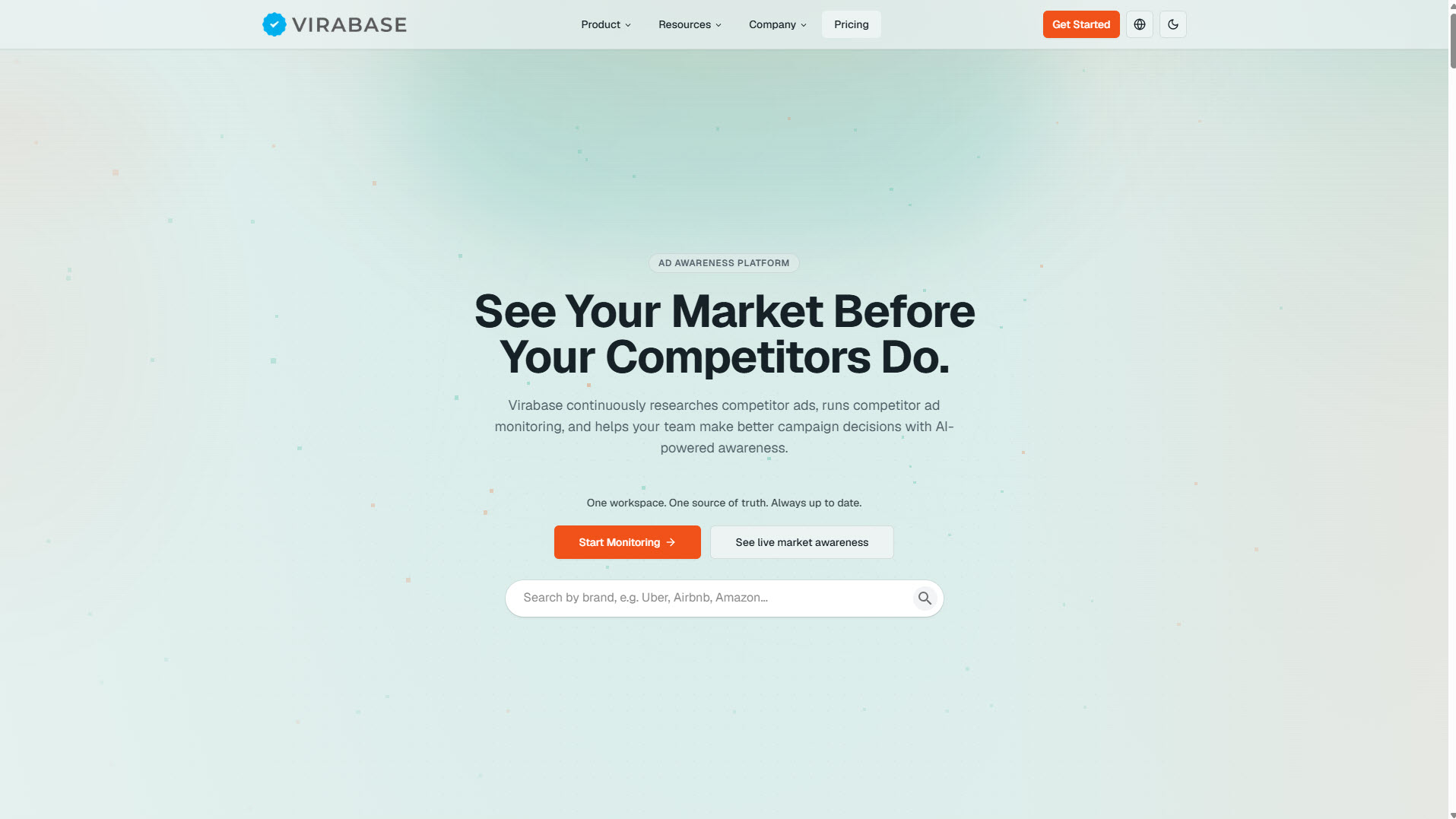
A Full HD product view inside a laptop stage. Preview only — open the live site to interact.
Open Orchestration Lab → davoodmood.github.io
3D stage
Open live site